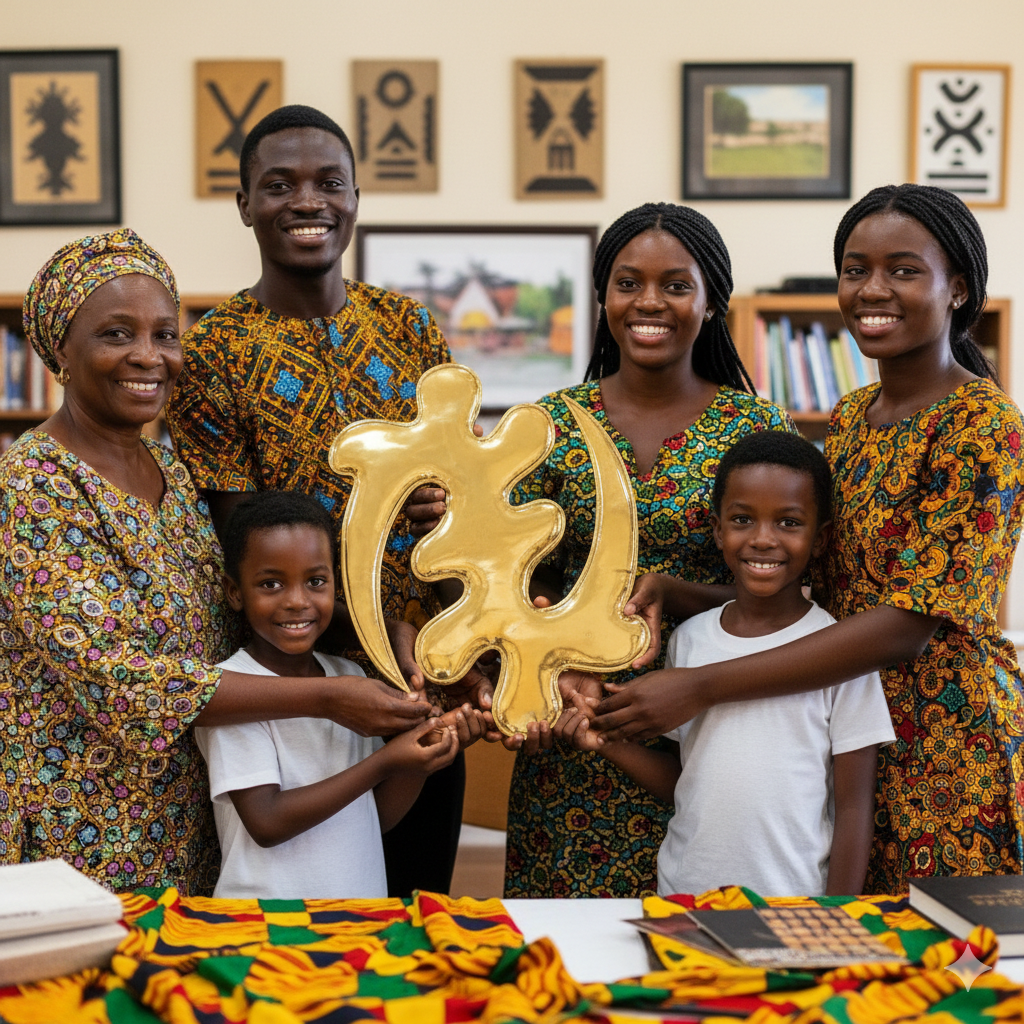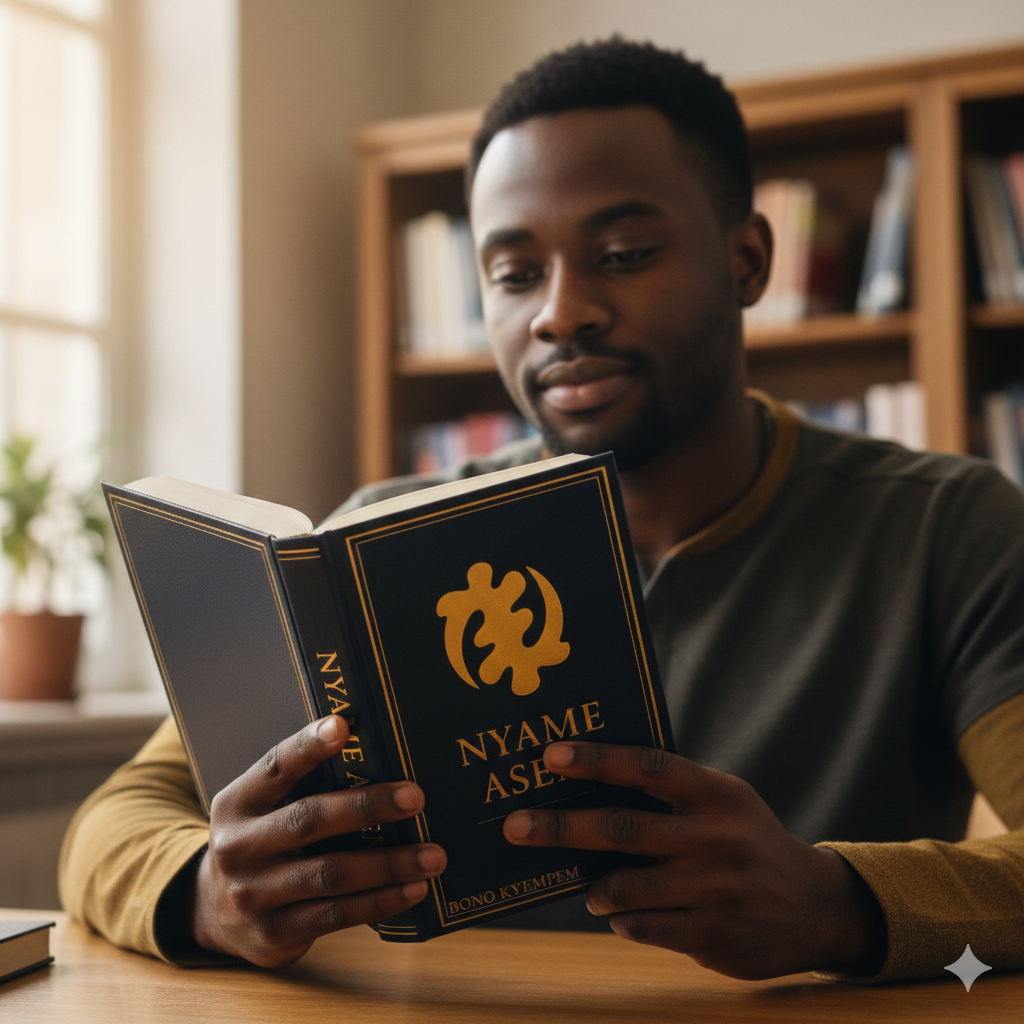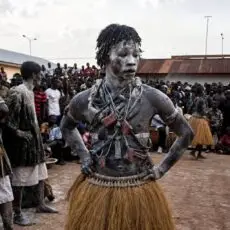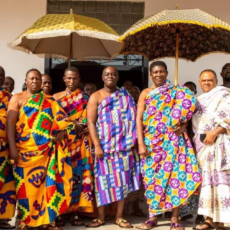
The Bonokyempem people, whose ancestral foundation traces back to Bono Manso, have long upheld a sacred understanding of identity, morality, and communal balance. At the centre of this foundation is Nyame, the Great Source through whom life, order, and Akan consciousness were established. Our traditions teach that identity must be practised, not merely remembered. Culture must be lived, not archived. Morality must be taught, demonstrated, and renewed in every generation.
For this reason, we are honoured to invite you, the Bono/Akan people from villages, towns and cities, our chiefs, elders, families, professionals, young people and communities, to help us build a better future for the Akan people, a future where we do not become slaves to the Arab Islamic culture like many African indigenous tribes have become.
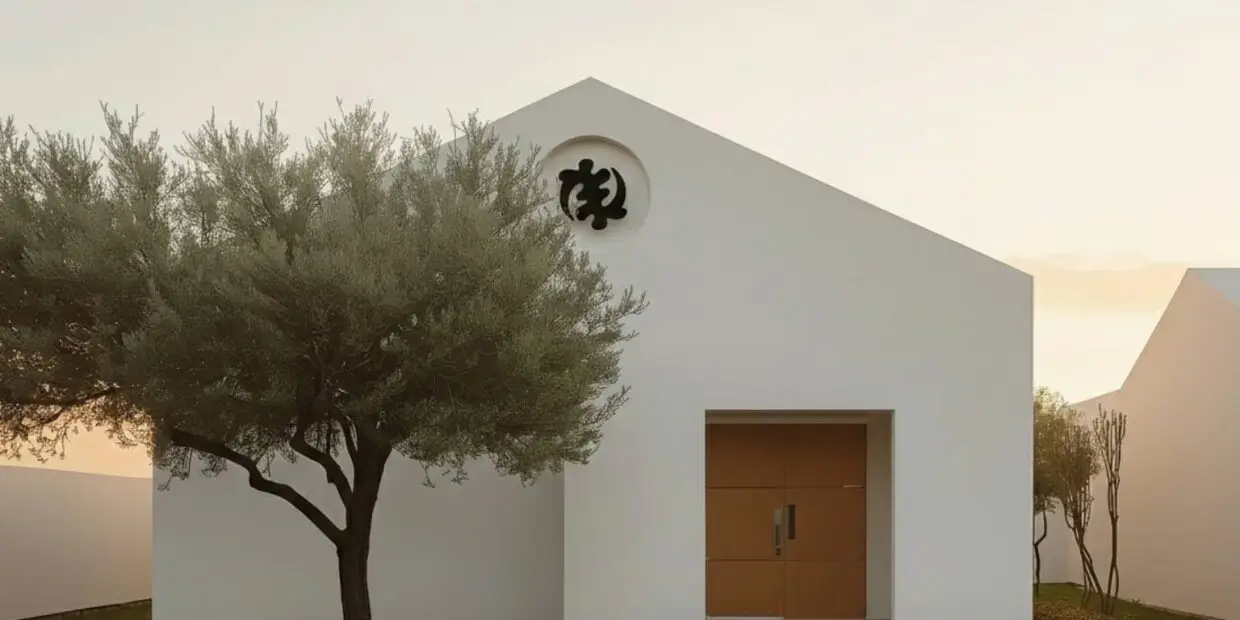
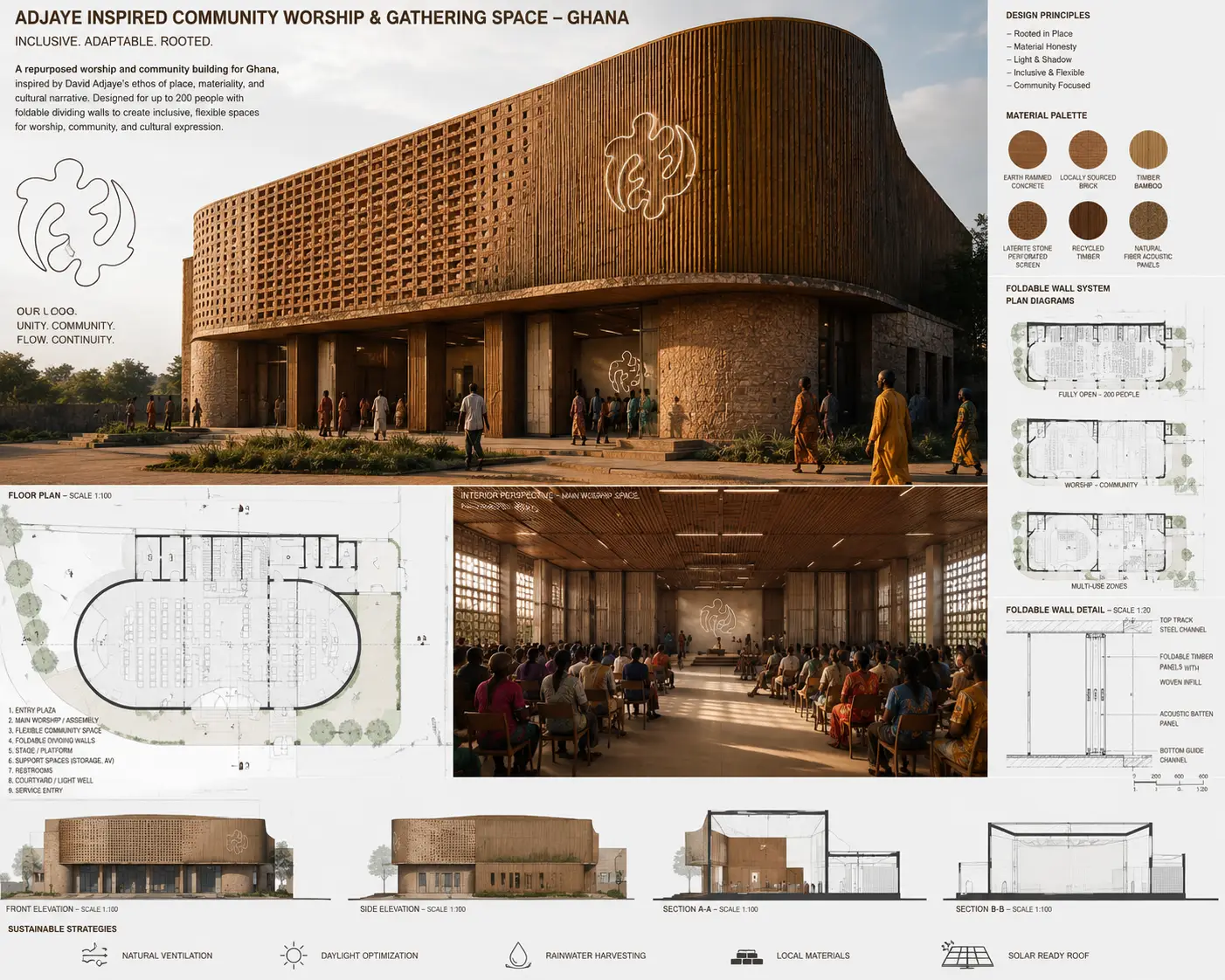
The time has come for us to begin building places where our people can come together to preserve Akan culture, history, language, traditional knowledge and beliefs, while also discussing the development and future of our communities.
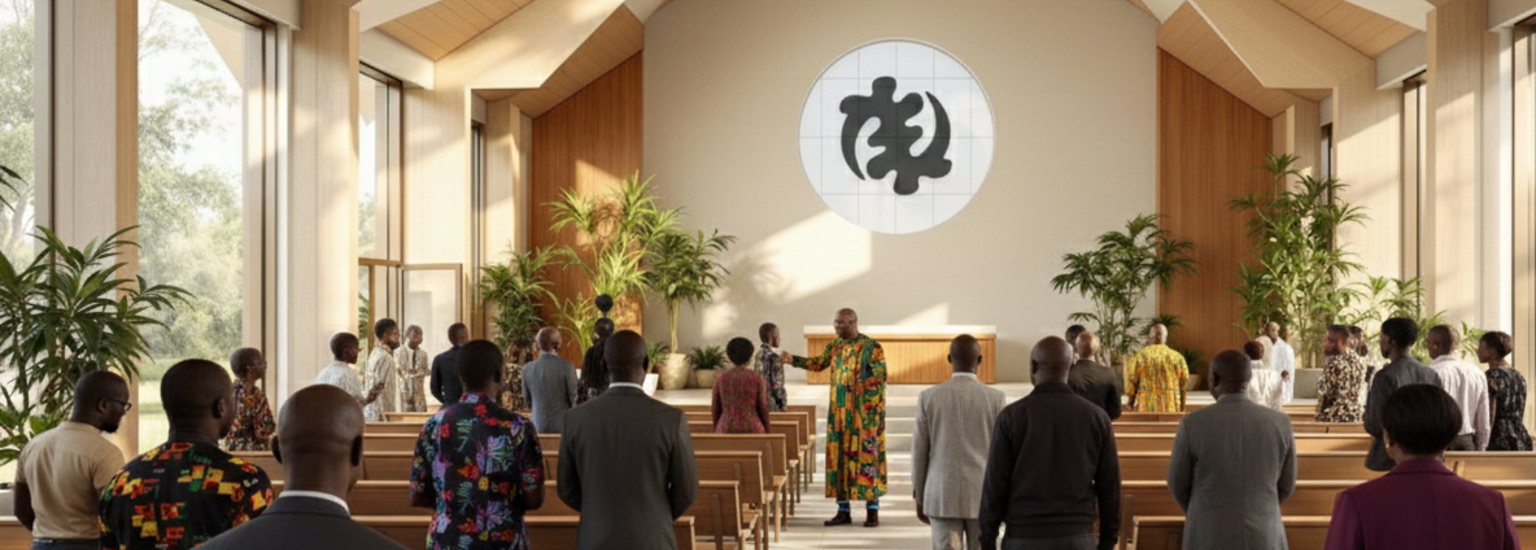
We envision community spaces across our villages, towns and cities—places where elders can teach the younger generation, where our history can be recorded, where ideas can be exchanged, and where Akan people can meet, organise and build together. For too long, we have allowed others to define our history, our culture and sometimes even our identity. We cannot expect someone else to build the institutions that will preserve us. We must build them ourselves.
This is not a call to isolate ourselves from other people. We welcome friendship and cooperation with communities that respect our identity, our traditions and our right to exist as Akan people.
But we must also understand that unity requires organisation.
A people who do not know one another cannot easily support one another. A people without places to gather cannot easily organise. And a people who do not preserve their knowledge risk leaving their children without a clear connection to their heritage. Therefore, in time, we intend to go village to village, town to town, and city to city—to meet our people, listen to our elders, speak with our chiefs and communities, and begin building together.
We do not claim to have everything figured out.
We are simply saying:
Let us begin.
Let us build the places where our children can learn.
Let us build the spaces where our people can meet.
Let us preserve what must not be forgotten.
Let us develop what must be developed.
Let us strengthen the relationships between our communities.
Because if we cannot make friends and family for ourselves, we cannot expect somebody else to make them for us.
Weekend service is a space for:
- Sacred music and traditional drumming
- Proverbs and oral wisdom teaching
- Moral instruction grounded in Akan values
- Cultural education for children
- Intergenerational dialogue
- Community unity and restoration
Through music, storytelling, and ethical teaching, we reconnect to the foundation laid by Onyankopɔn and reaffirm our responsibility to uphold truth (Nokware), justice (Atɛntrenee), respect (Obuo), and humility (Ahobrɛase).
Special Akwaside / Fokusie Assembly
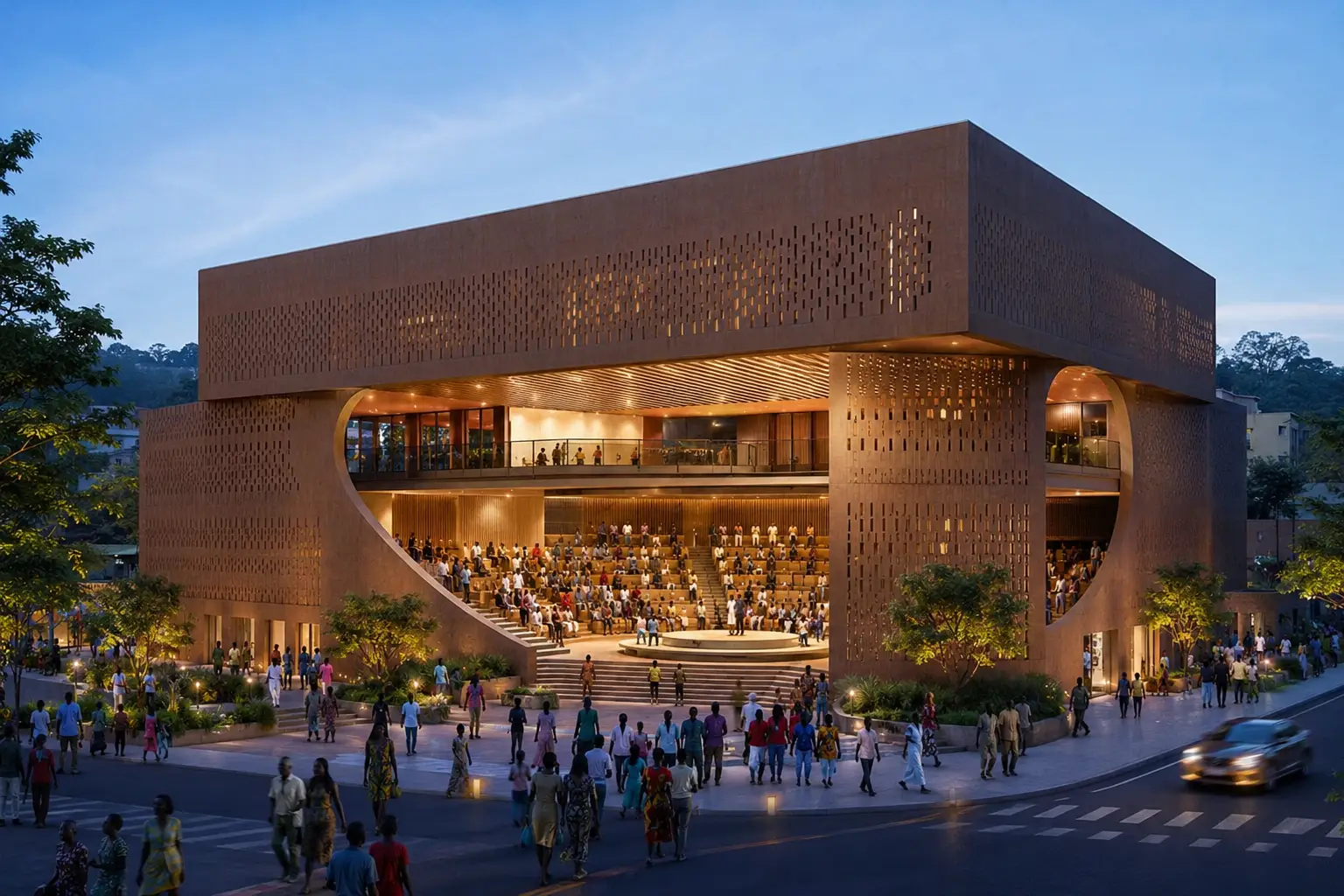
On every Akwaside (Fokusie) — observed on the 42nd day of the Akan month — a special assembly will be held. This sacred day is dedicated not only to spiritual reflection but also to discussing:
- Regional security
- Community development
- Moral accountability
- Peace and unity
- Collective economic progress
On this day, the Chief (Omanhene) is respectfully welcomed to attend or appoint a representative to participate in the service, maintaining the sacred link between traditional leadership and the moral life of the people.
2. Akan Spiritual & Religious Studies
- Cosmology of Onyankopɔn
- Roles of Nyame and Asaase Yaa
- Abosom (deities) and ancestral veneration
- Comparative religious studies:
- Christianity
- Islam
- Traditional African religions
- Religious tolerance and pluralism in Akan communities
4. Akan Language & Communication
- Twi literacy (reading & writing)
- Proverbs and rhetoric
- Public speaking and traditional court communication
Our Invitation
We look forward to welcoming you to join us in restoring a living practice of Akan culture and Nyame-centred moral instruction.