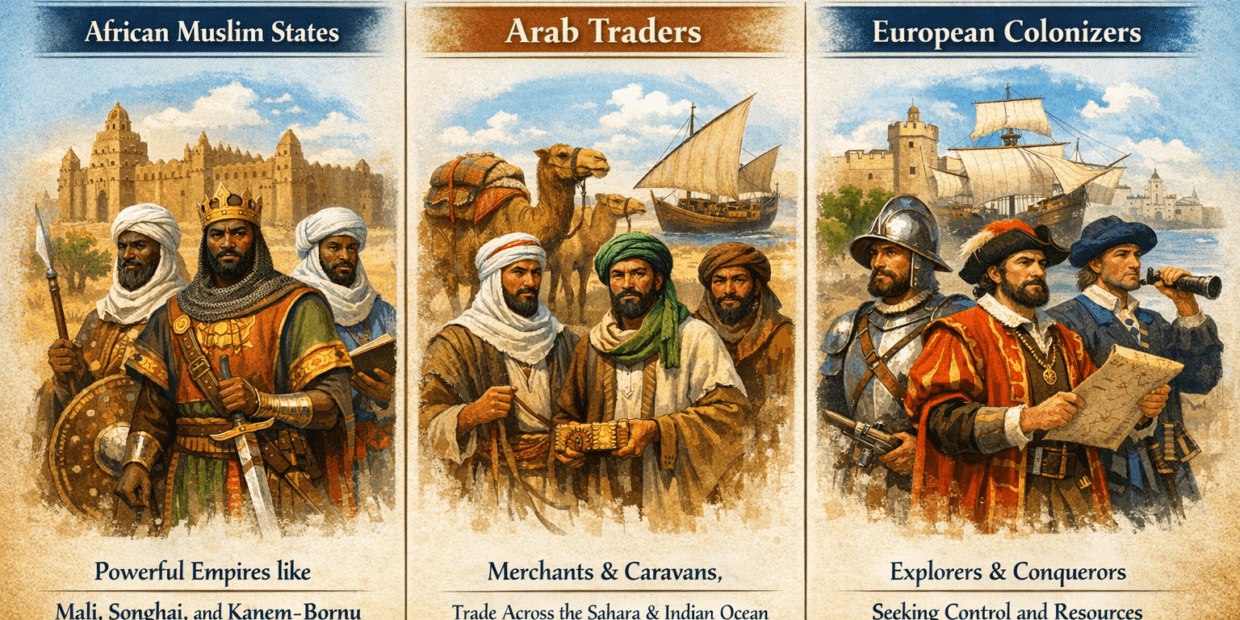
The history of African enslavement is long, complex, and deeply painful, yet contemporary reparations debates focus almost exclusively on European colonial powers and the transatlantic slave trade. While European exploitation is undeniable, a full accounting of history must also recognize the central role of African Muslim states and Arab traders who participated in the Trans-Saharan, Red Sea, and Indian Ocean slave trades centuries before the Scramble for Africa. Without acknowledging these actors, reparations campaigns risk offering partial justice that obscures historical truth.
The Trans-Saharan Slave Trade: African and Arab Responsibility
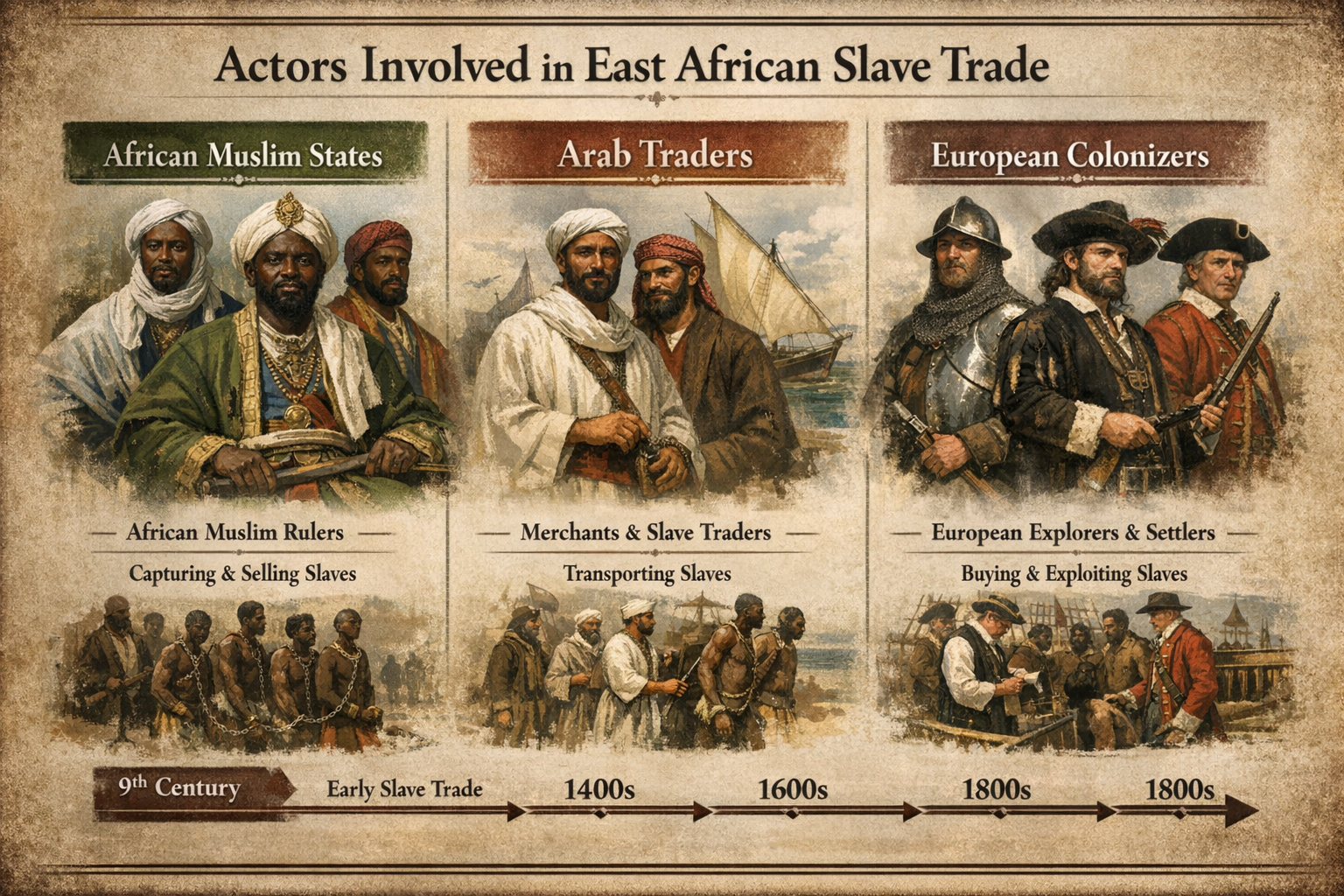
Centuries before European colonial expansion, African Muslim states engaged actively in capturing, trading, and transporting enslaved Africans across the Sahara and to North Africa and the Middle East. These enslaved individuals were often:
- Captured during wars and raids
- Taken as tribute from rival communities
- Traded to North African and Arab markets
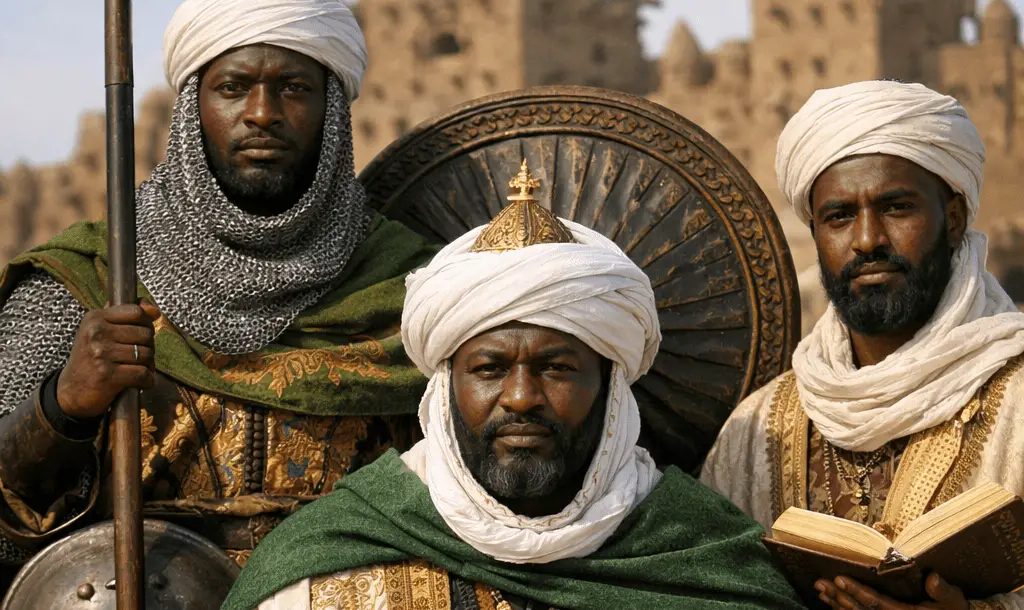
This trade had devastating long-term effects on population growth, economic development, and political stability across West and Central Africa. African leaders of the era, including some connected to the lineage of influential figures like Mansa Musa of the Mali Empire, presided over states that participated in this system. These leaders were complicit in human commodification, even as their states flourished culturally and economically.
The enduring impact of these centuries-long practices still shapes the development of African societies today. Cities like Timbuktu, Gao, and Kano, centers of scholarship and Islamic culture, emerged alongside systems of enslavement, highlighting a dual legacy: intellectual advancement and human exploitation.
The Role of European Powers and the Scramble for Africa
With the advent of the European Scramble for Africa in the late 19th century, exploitation took on a new scale and form:
- European colonizers codified slavery-like labor systems, extracted natural resources, and reshaped African political borders for their own gain
- The transatlantic slave trade, and later colonial economic policies, intensified the exploitation of African peoples
While European powers are today the focus of reparations campaigns, they entered a system already established by African Muslim states and Arab traders. Ignoring the pre-existing trade networks and local complicity presents an incomplete historical record.
A Call for Justice: African Muslims, Arab Traders, and Europeans
Reparations must be comprehensive, truthful, and sequential:
- African Muslim states and leaders who participated in the Trans-Saharan and Indian Ocean slave trades should first acknowledge and settle their role in these centuries-long systems. This includes communities historically connected to figures like Mansa Musa and others whose wealth and political power were partially built on the exploitation of fellow Africans.
- Arab traders and North African powers who profited from the trade must also be held accountable through international recognition and, where possible, compensation mechanisms.
- European colonizers should engage in reparations after African and Arab actors have addressed their historical responsibility, reflecting the chronological development of exploitation and its compounded effects.
Mechanism: International Accountability
We propose that an international court or tribunal be established to:
- Investigate the full scope of African enslavement, from the Trans-Saharan and Indian Ocean trades to the transatlantic slave trade and colonial exploitation
- Charge African Muslim states, Arab powers, and European nations for their roles in human trafficking, population displacement, and economic exploitation
- Ensure that reparations and restitution reflect both historical responsibility and the contemporary benefits that these actors derived from slavery
Such a court would not favor European powers over African or Arab participants but would establish a historically consistent and equitable process for addressing centuries of exploitation.
Conclusion: Truth Before Compensation
African societies today cannot heal fully when discussions of reparations are selectively focused. True justice demands that we:
- Recognize the full spectrum of actors who participated in the enslavement of Africans
- Hold African Muslim states and Arab traders accountable before extending reparations claims to Europeans
- Construct reparations mechanisms that are historically grounded, morally consistent, and internationally enforceable
Without this honest reckoning, reparations risk becoming symbolic gestures rather than meaningful compensation and acknowledgment of the multi-layered injustices Africans endured.
The time has come for Africa and the world to confront all participants in the centuries-long system of African enslavement, not just the most recent or politically convenient.